 Energy Efficiency Technology
Energy Efficiency Technology
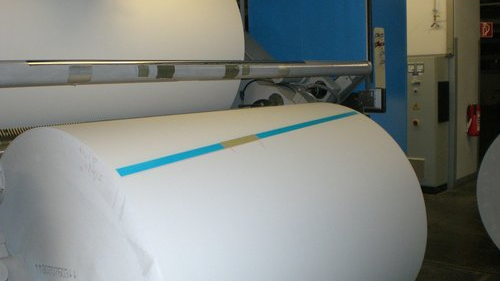
36 Emerging Technologies for Energyefficiency and GHG Emissions Reduction in the Pulp and Paper Industry
The pulp and paper industry accounted for approximately 5 percent of total industrial final energy consumption and 2 percent of direct carbon dioxide (CO2) emissions from the industrial sector worldwide (IEA 2011) The largest share of this growth will take place in China, India, and other developing countries (see Figure below) Innovations will likely include development of different processes and materials for paper production or technologies that can economically capture and store the industrys CO2 emissions. The report is published on the Lawrence Berkeley National Laboratory's website and can be downloaded from this Link. Please feel free to contact me if you have any question. Do not forget to Follow us on LinkedIn and Facebook to get the latest about our new blog posts, projects, and publications. This article includes information about the emerging energy-efficiency and CO2 mitigation potentials for the pulp and production technologies for the Chinese pulp andPaper industry. For more information on these technologies, visit the LBNLs website.
Read Full article10 Facts about Heat Pumps
Heat pump technology is efficient and mature. Capacities range from 20kW to 100kW for residential applications and even higher capacities for commercial applications. Operating the unit when surplus electricity is available provides significant demand response capacity to the electric system.
Read Full Business Practice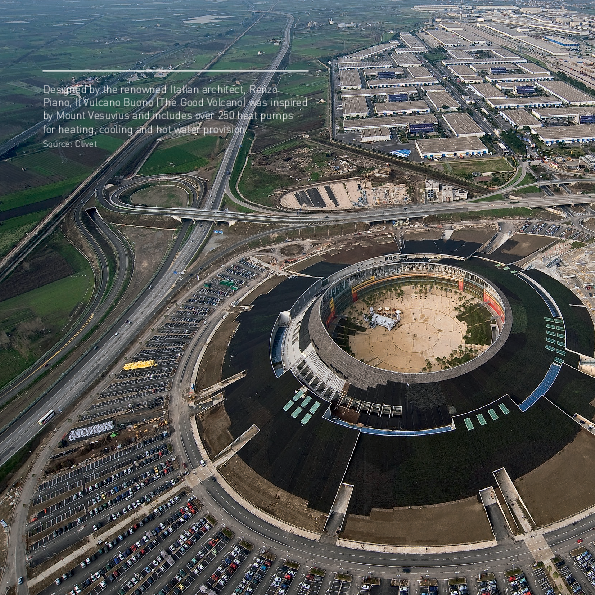
Top 10 about Electric Motor Systems
In industry, electric motors are often hidden in closed systems such as fans, pumps or compressors. In the transition towards a zero-carbon energy system, the role of electric motors will grow even further. The technology to make motor systems more energy efficient.
Read Full Business Practice
Top 10 Facts about Electromagnetic Processing
Electromagnetic processing technologies use wavelengths in the electromagnetic spectrum that correspond to microwave, radio waves, infrared, and ultra violet to heat materials. Direct heating methods generate heat within a work piece, by either passing an electrical current through the material, or inducing an.
Read Full Business Practice
Protocol: Targeted Industry & Energy Supply 2018 (BUL)
ICP protocols are standardising the way energy efficiency projects are developed. Protocols are NOT interfering with the technical side of projects. The TARGETED industry protocol is intended for simple, commonly used technologies. Such technologies will usually have consistent and predictable.
Read Full Business Practice
PDS Industry & Energy Supply 2018 (BUL)
This document provides essential information about the protocols requirements, best practices, quality management tasks. The ICP Project Development Specification (PDS) is designed for project specialists, third-party Quality Assurance Assessors, and investors to ensure that projects are developed.
Read Full Business Practice
Protocol: Complex Industry & Energy Supply 2018 (GRE)
ICP protocols are standardising the way energy efficiency projects are developed, documented and measured. Protocols are NOT interfering with the technical side of projects. ICP protocol is intended for installation of new technology types or capacities, including new utility generation technologies.
Read Full Business Practice
Protocol: Targeted Industry & Energy Supply 2018 (GRE)
ICP protocols are standardising the way energy efficiency projects are developed. Protocols are NOT interfering with the technical side of projects. The TARGETED industry protocol is intended for simple, commonly used technologies. Such technologies will usually have consistent and predictable.
Read Full Business Practice
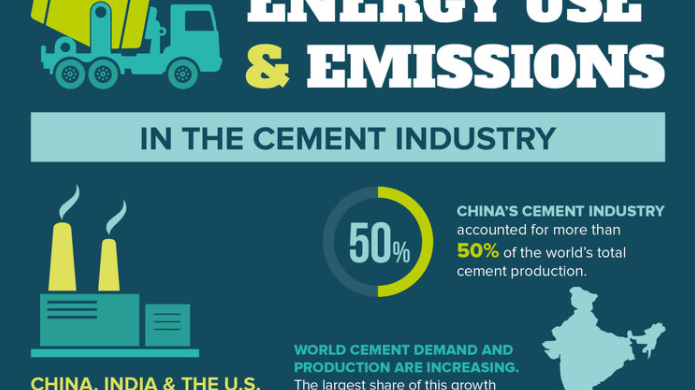
Infographic: Energy Use and Emissions in the Cement Industry
The cement industry is one of the most energy-intensive and highest CO2 emitting industries. Global Efficiency Intelligence, LLC has experience conducting studies on energy efficiency, GHG and other emissions reduction, energy benchmarking, and alternative fuel use in the cement industry.
Read Full article
Introduction: Electro-heat technologies
Electromagnetic processing technologies use wavelengths in the electromagnetic spectrum that correspond to microwave, radio waves, infrared, and ultra violet to heat materials. These technologies offer significant benefits compared to the fossil fuel alternatives and contribute to decarbonization by not producing on-site.
Read Full article