 Policy & Regulation
Policy & Regulation
World Energy Outlook 2022 - global energy crisis: a historic turning point towards a cleaner and more secure future
For the first time, global demand for each of the fossil fuels shows a peak or plateau across all WEO scenarios. Russian exports in particular falling significantly as the world energy order is reshaped. The biggest tremors have been felt in the markets for natural gas, coal and electricity. And significant turmoil in oil markets as well, necessitating two oil stock releases of unparalleled scale by IEA member countries to avoid even more severe disruptions. Todays energy crisis is a reminder of the fragility and unsustainability of the current global energy system, the IEAs World Energy Outlook 2022 (WEO) warns The most notable responses include the US Inflation Reduction Act, the EUs Fit for 55 package and REPowerEU, Japans Green Transformation (GX) programme, Koreas aim to increase the share of solar PV, and more efficient homes and electrified heat and electric vehicles.
Read Full article
Is REPowerEU able to accelerate transition to renewable energies and improve energy security?
REPowerEU is a plan for saving energy, producing clean energy and diversifying the European energy supplies. It is backed by financial and legal measures to build the new energy infrastructure and system that Europe needs.
Read Full article
The EU Coordinated Plan on AI: Expectations for the Energy Transition
The EU is aiming for a net-zero and eco-friendly AI which is reflected in its latest set of actions and regulations for managing the development of Artificial Intelligence in the EU. The Coordinated Plan on Artificial Intelligence is a joint commitment issued by the the European Commission and Member States.
Read Full article
EU plan to boost green energy
EU needs €210bn over next five years to pay for phasing out Russian fossil fuels based on a plan drawn up in response to the Kremlin-ordered invasion of Ukraine. The plan proposes upgrades to the EU green deal, the blocs flagship policy to confront the climate crisis. Officials also want to cut energy consumption by 13% by 2030 (compared with 2020), too.
Read Full article
Cracking the Hydrogen Egg! How can consumers understand where their Hydrogen has come from?
In a global interconnected system understanding where hydrogen has come from will become incredibly important. The temptation for some to make hydrogen from coal and release the carbon dioxide into the atmosphere may be too great, however as international trade develops the risk increases.
Read Full article
Does the public's view of Hydrogen matter?
A recent survey in the United Kingdom assessed public perception to be largely ambivalent to hydrogen. Over 64% of participants were unable to demonstrate even a basic knowledge of hydrogen technology or its potential to contribute to the energy system.
Read Full article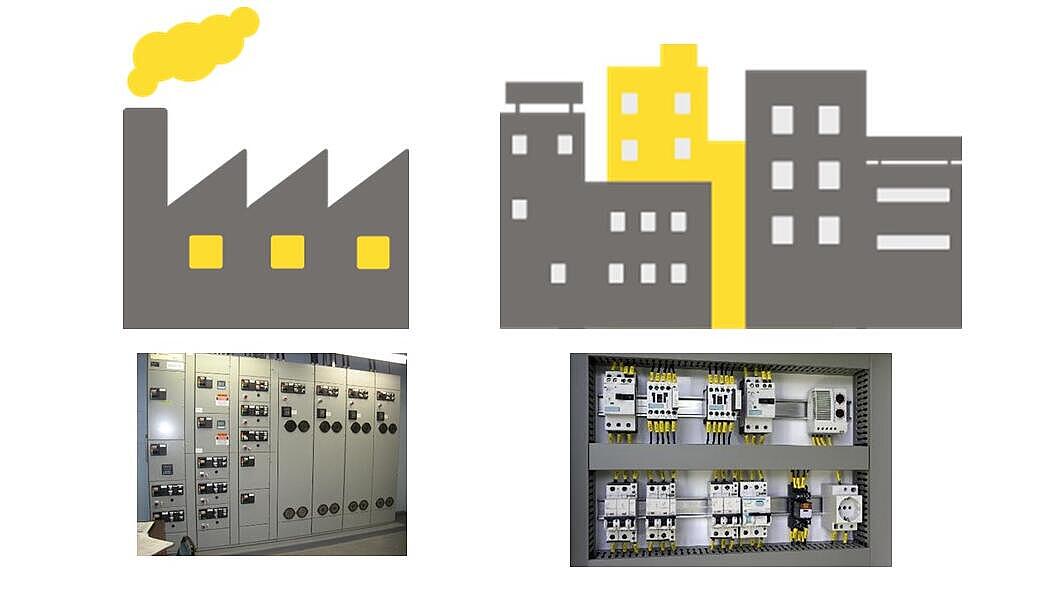
A systems approach to energy end use
The optimization of energy use in buildings and industry requires a systems approach to harvest its full potential. This idea is winning ground, as it is shown by the proposal of the ITRE committee of the European Parliament to include a definition of ‘system efficiency'.
Read Full article
Cracking the Hydrogen Colour Code
Recently there has been more and more in the media about hydrogen as a future fuel. These discussions often talk about hydrogen using a colour coding - which has the potential to confuse an already complicated matter even further. To support discussion I have pulled together a summary.
Read Full article
Indicators and common factors that help to determine the impact of EU projects promoting energy efficiency
Study into 41 EU-funded energy efficiency projects across Europe looked at primary energy savings, greenhouse gas savings, investment triggered, market stakeholders with increased skills on energy issues, and renewable energy generated. The projects received €58.5m of funding from the EU.
Read Full article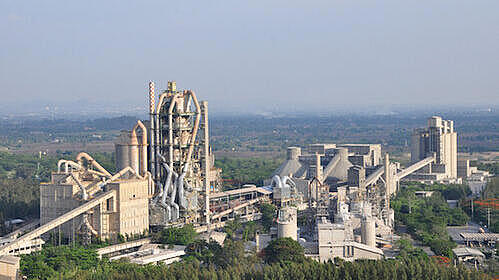
Deep decarbonisation of industry: The cement sector
Fossil fuel combustion to meet heating needs accounts for 35% of cements CO2 emissions. The remaining 65% are due to direct process emissions, which must also be addressed. By 2050, cement production in the EU is expected to remain below pre-2010 levels.
Read Full article